001
001 is a project I've been working on for the past few months. I took some time to write about what it is and why I made it.
Visit:
About
001 is a concept art gallery for app icons. It's an iOS app with 099 virtual "exhibit spaces"; artists may rent an exhibit and install an original piece for sale within it. Visitors purchase limited-edition copies of each piece, which display exclusively as the app's icon.
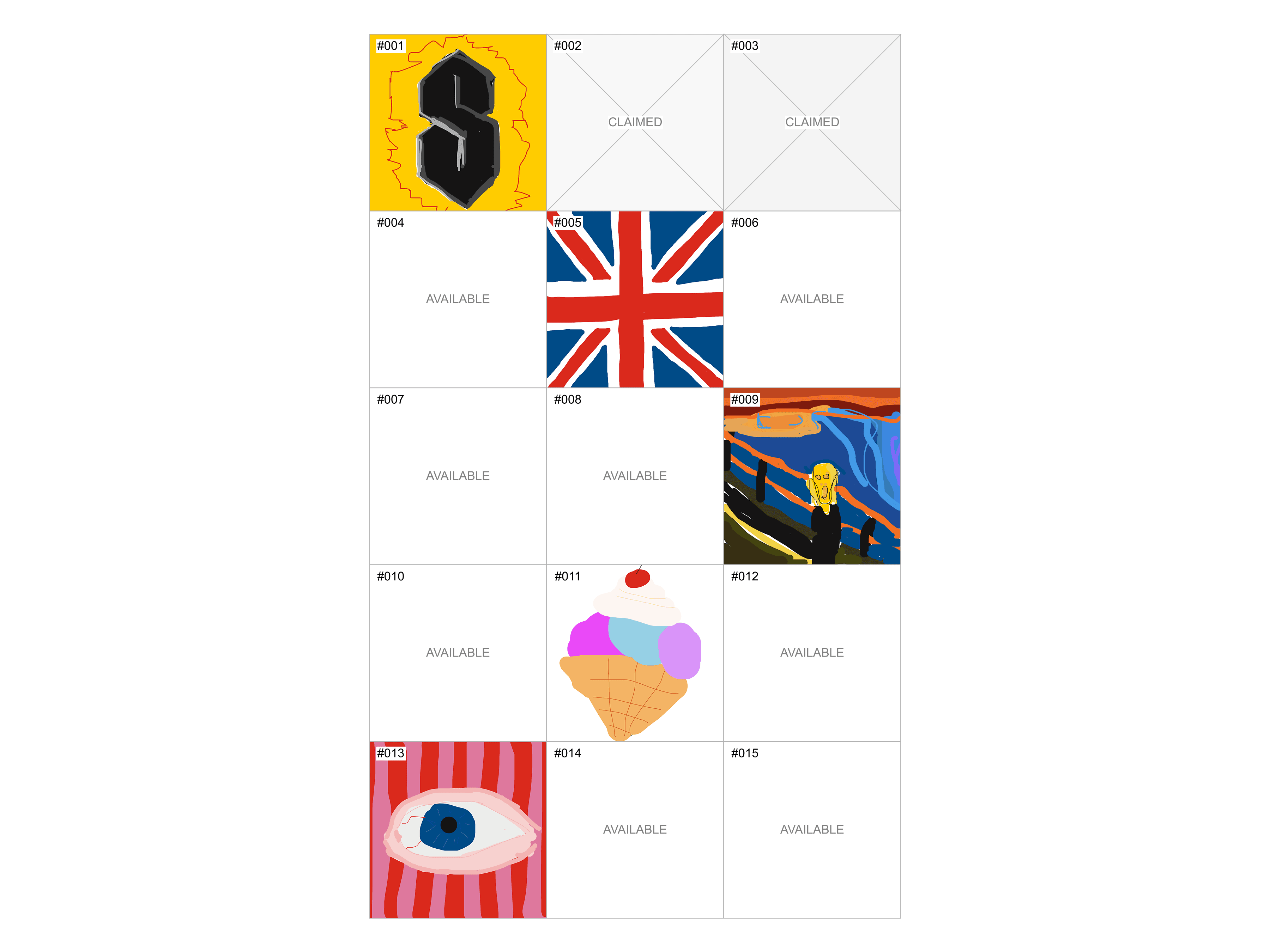
001 is an exploration of two ideas:
-
App Icons as artistic format — your home screen is valuable digital real estate. You might glance at a painting on the wall for a few passing moments, but you look at your phone for hours a day.
Apple strictly intends icons to be utilitarian product identifiers, optimized for recognition and clarity. Yet consumers increasingly treat their home screens as aesthetic surfaces, curating them to their taste.
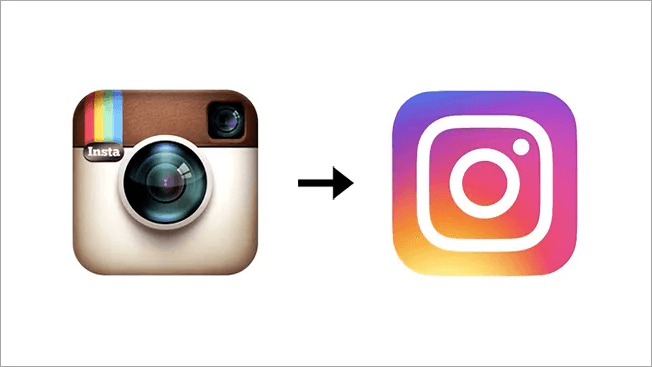
When the App Store first opened, developers crafted icons with insane detail, meticulously applying textures, reflections, and shadows. Over time, that detail was whittled away in favor of the reality that icons were mostly for legibility, not beautiful realism. Many developers still treat icons with artistic reverence, and many modern icons are still beautiful, but they will always be constrained by utility.
 icon by Michael Flarup

Wallpapers and widgets are fully customizable, but they're secondary elements. App icons are the prominent, familiar foreground. Apple allows limited icon customization (via alternate icons, tints, or clunky user workarounds) — hints of a creative format trying to break out yet limited by the need to remain on-brand.
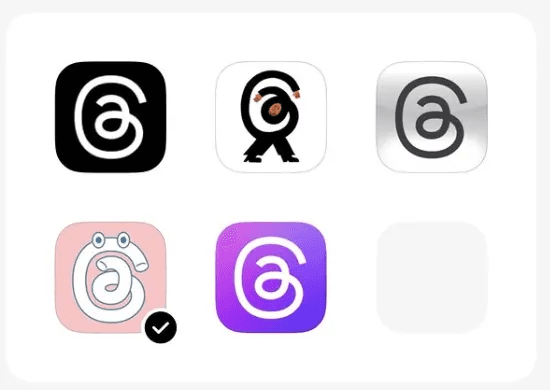
001 discards the functional premise entirely, reframing the app icon as a purely decorative symbol and exposing it as an open-ended creative canvas. The gallery is an experimental system to explore the potential of this novel format.
New system features and APIs give rise to offbeat consumer products which (ab)use them in ways that Apple does not foresee. The accelerometer gave us iBeer and lightsaber apps; widgets birthed Locket and Noteit. The iPhone is a rich and dynamic creative medium.
-
Digital scarcity, economic simulation — this is a real marketplace, not a game. Artists make money on sales, just as they would at any other gallery. In some sense, "app icon art" is just a substrate for building a deep, realistic virtual economy with novel constraints.
Listing art on 001 is as much a business endeavor as it is artistic — artists set the price & number of copies, and it is up to them to maximize their chance of success. There is a delicate balance between the perceived value of a piece and its potential earnings. Editioned artworks historically stemmed from the marginal cost of printmaking, but digital mediums have no marginal costs. Setting the maximum copies on a work is a purely strategic lever for shaping demand.
As the project grows, I plan to add more advanced market features, such as: reselling exhibits, trading copies, dynamic pricing, auctions, placing multiple pieces in one exhibit, and more.
On its face, the notion of treating "app icons" as serious art is kind of funny. But the premise of 001 is sincere, not a parody — I really do want people to perceive icons in an artistic light, and to make these ideas explicit, I want to render them in their most heightened, exaggerated form.
The project borrows several cues from the high-art world as narrative-building devices. It adopts the minimalist, austere visual style associated with high-art and high-fashion websites. It translates many literal constraints and mechanisms of a physical art gallery — limited wall space; rare, editioned works; commissions and buyer's premiums.
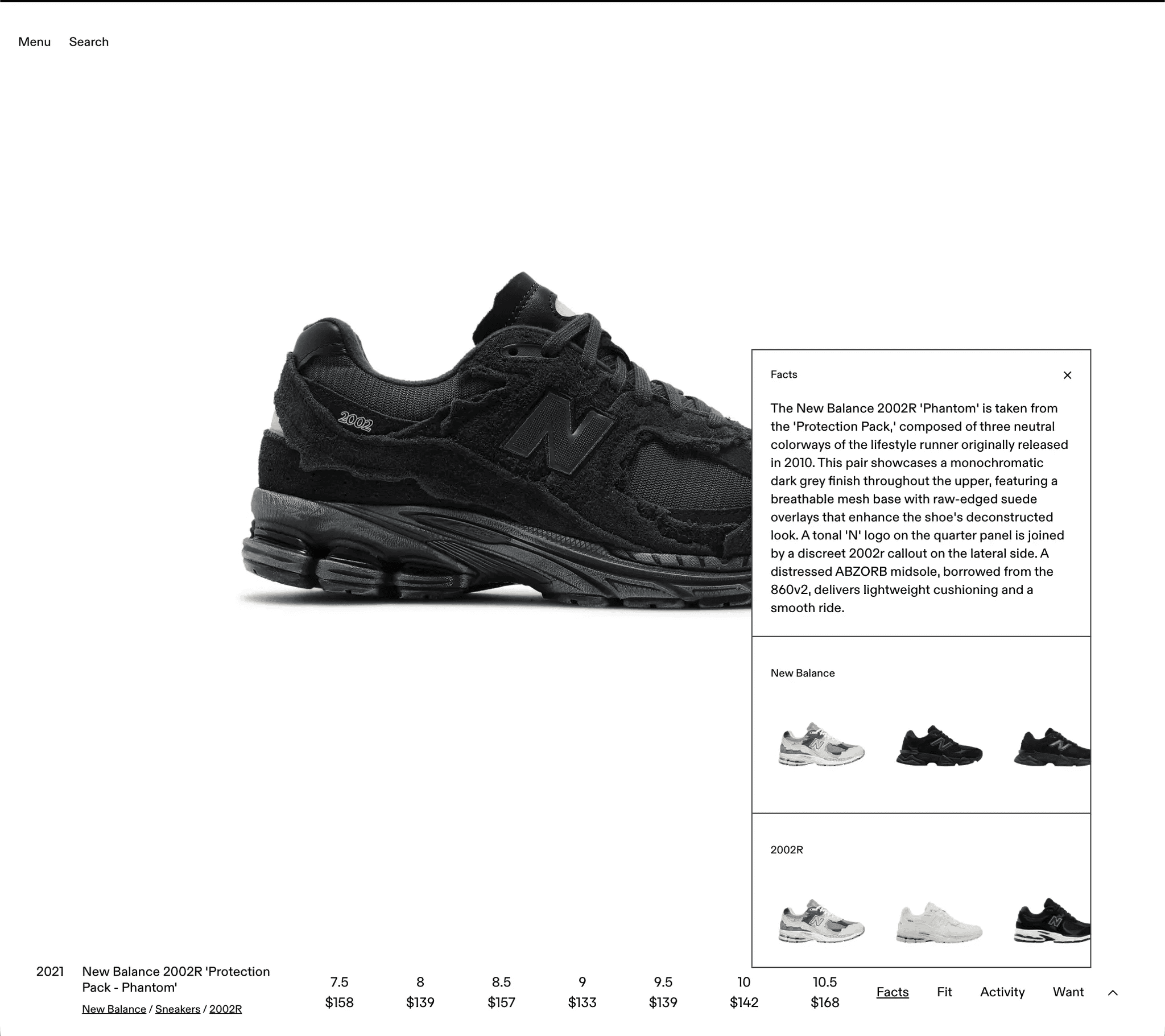
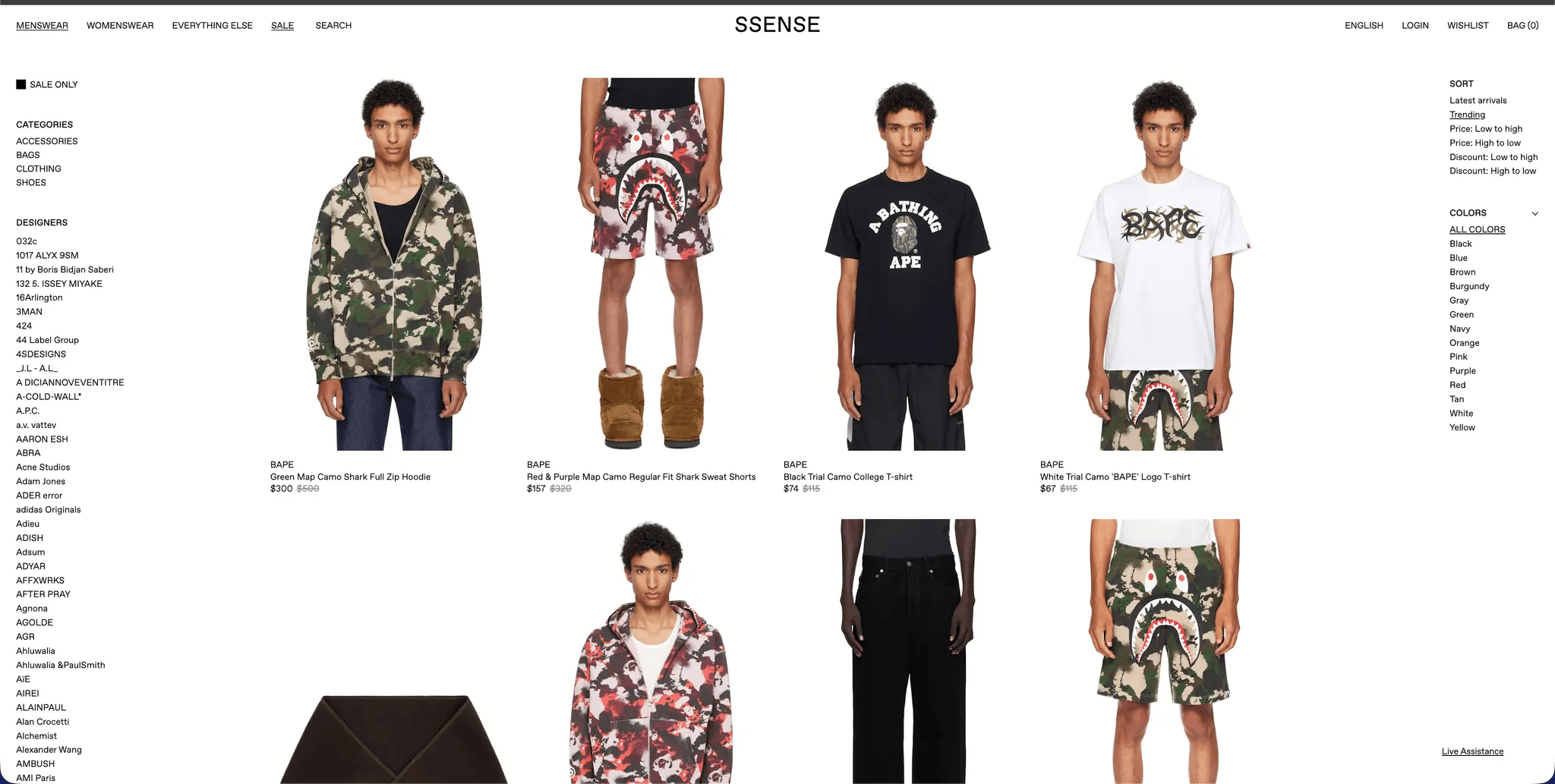
I want 001 to become a real, successful gallery — a place where new artists break out and make money, where rare pieces are valuable and culturally relevant. If it achieves some level of success, I'm most excited to see how people play with and break the constraints of the game.
Q&A
Why not wallpapers or widgets?
-
App icons are more prominent
-
App icons are a unique format. The small size and large rounded corners present new artistic challenges, unlike the relatively standard sizes of wallpapers and widgets.
-
The iOS interaction of switching icons is whimsical and neat — "tap to switch icons" is a conscious interaction with a fun result. The same tight feedback loop does not exist with widgets or wallpapers
-
My design space is constrained. Apple requires you to bundle each alternate icon in the app itself, which limits the total number that can be displayed — hence why there are only 99 exhibits. This is mostly a behind-the-scenes technical constraint, but I like the effect that it manifests.
-
No one has done it before. Wallpaper apps and widget apps exist already. There is value to being novel, even if only as a viral hook.
Is this NFTs?
No. Digital collectibles are interesting, but NFTs are an overhyped database. All of 001's data is managed and secured by its own database.
Digital scarcity only matters within some local context, like a game or a social network. Outside of that context, the scarcity is easily replicable and has no meaning. You own a Fortnite skin within Fortnite. You own a Neopets Brush within Neopets. A blockchain is not a useful product context in itself, it is a database.
The relevant context here is the 001 app. Of course anyone can screenshot art they don't own and display it as their twitter PFP, but the project's boundaries don't extend that far. We make no claim that art on 001 is truly, globally scarce and unique — it only has those properties within the app.
Context & Influences
Million Dollar Homepage
One of the first viral internet projects. A website containing 1 million pixels, each of which was sold for $1. People bought up swaths of pixels to advertise random sites (each pixel could link to a URL), creating an emergent collage.
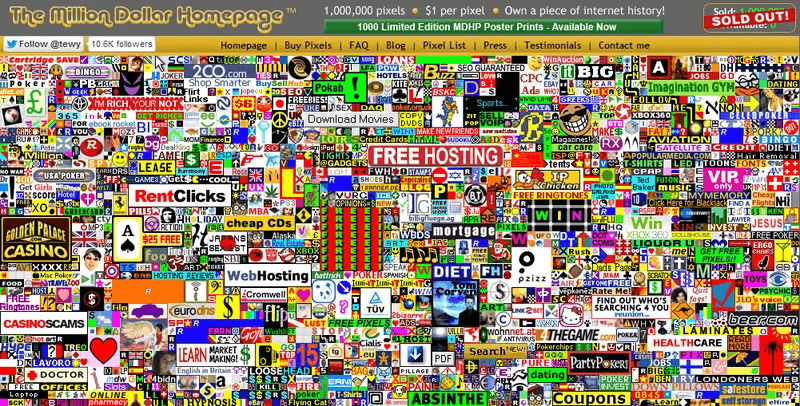
What I like about it:
-
Flywheel effect — as more people viewed the site, buying pixels was more attractive, and so on
-
A website purely of ads — no articles or videos to weave them into, no attention to hijack. Just straight up ads. Almost a caricature of web 1.0 advertising (seedy websites, flashy banners).
-
Emergent art — the creator designed the incentives, and people made the art, competing to make their plot of pixels stand out.
The influences on 001 are quite direct — scarce virtual real estate, emergent visual art, creator incentives.
MSCHF
MSCHF is an art collective that makes provocative projects about consumerism and internet culture. You've probably seen their work. Some that I like best:
-
Severed Spots — in which they cut up a Damien Hirst painting into several small pieces, and sold each one individually. The aggregate revenue from those sales was much higher than the amount for which they bought the original piece.
-
Museum of Forgeries — 1 Andy Warhol print was mixed with 999 exact forgeries, and each was sold for $20. Commentary on authenticity, economics of merchandising.
MSCHF often uses visual art as a facade for performance art. The piece is not the art itself, but the act of selling it.
Art Gobblers
Art Gobblers was an NFT game that allowed anyone to draw and mint art on chain. They paired this with an interesting economy design which would grant virtual currency (goo) to users who created and displayed art. This was a cool take on NFT projects at a time when everything else was 10K-variation profile pictures.
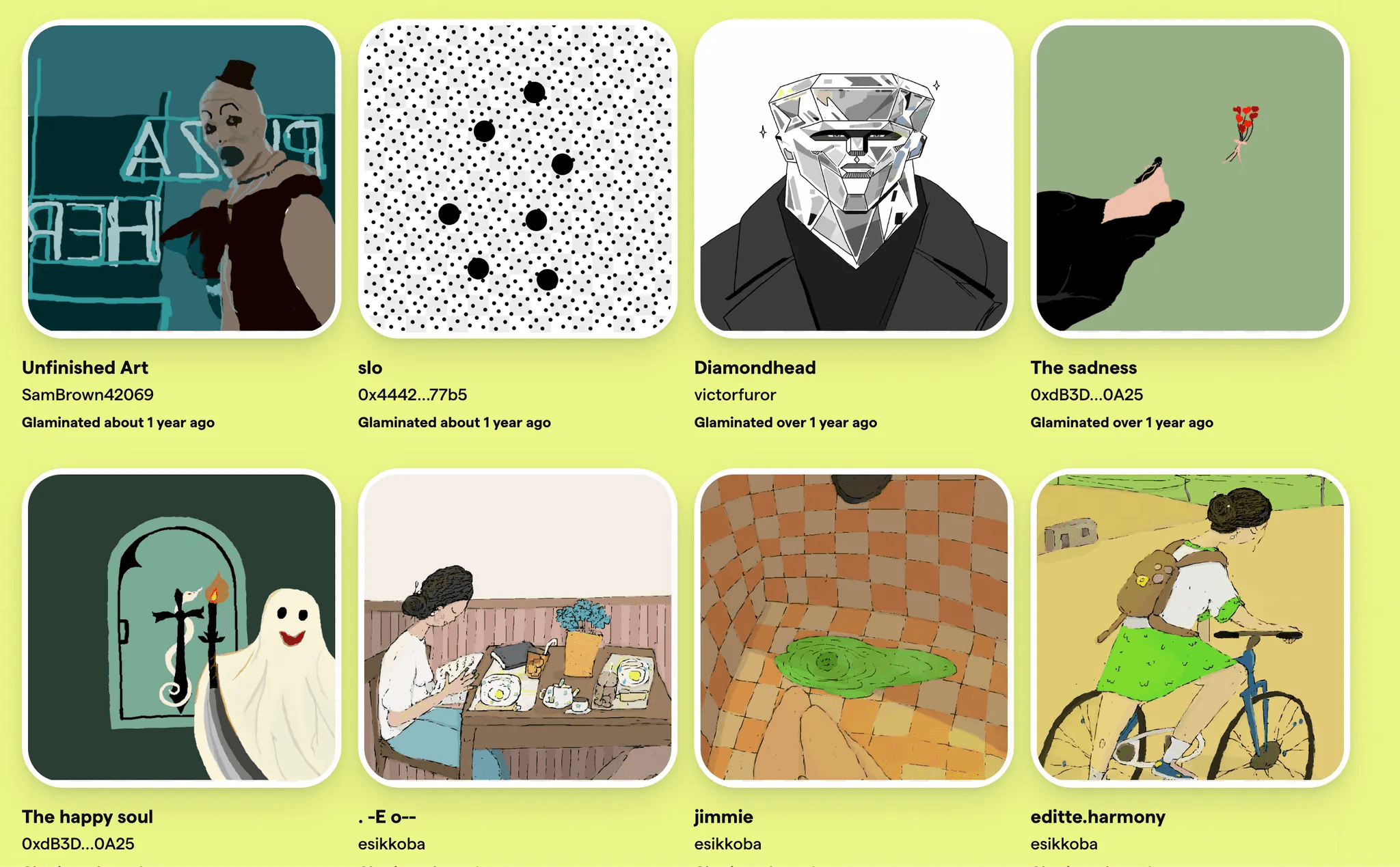
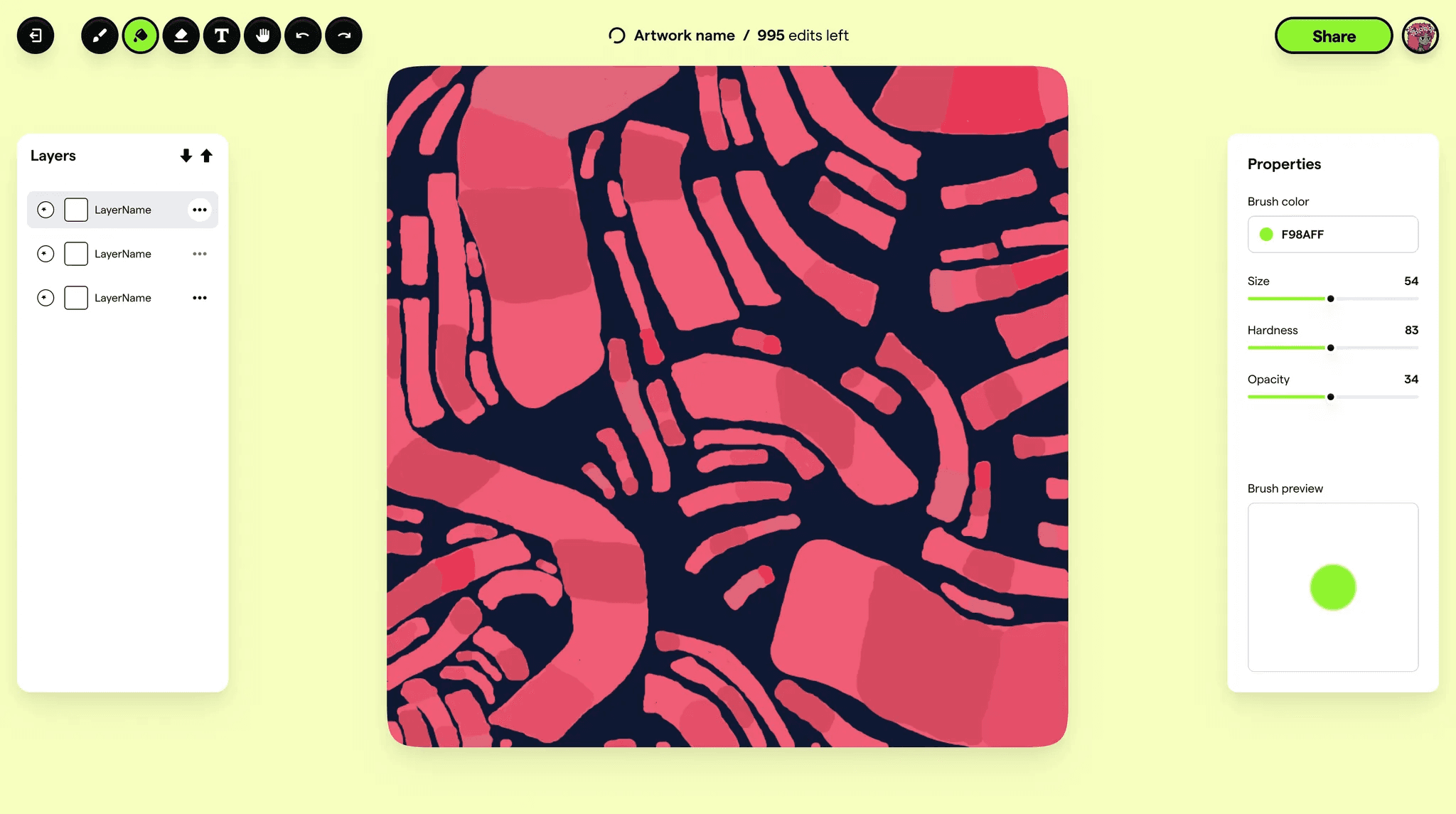
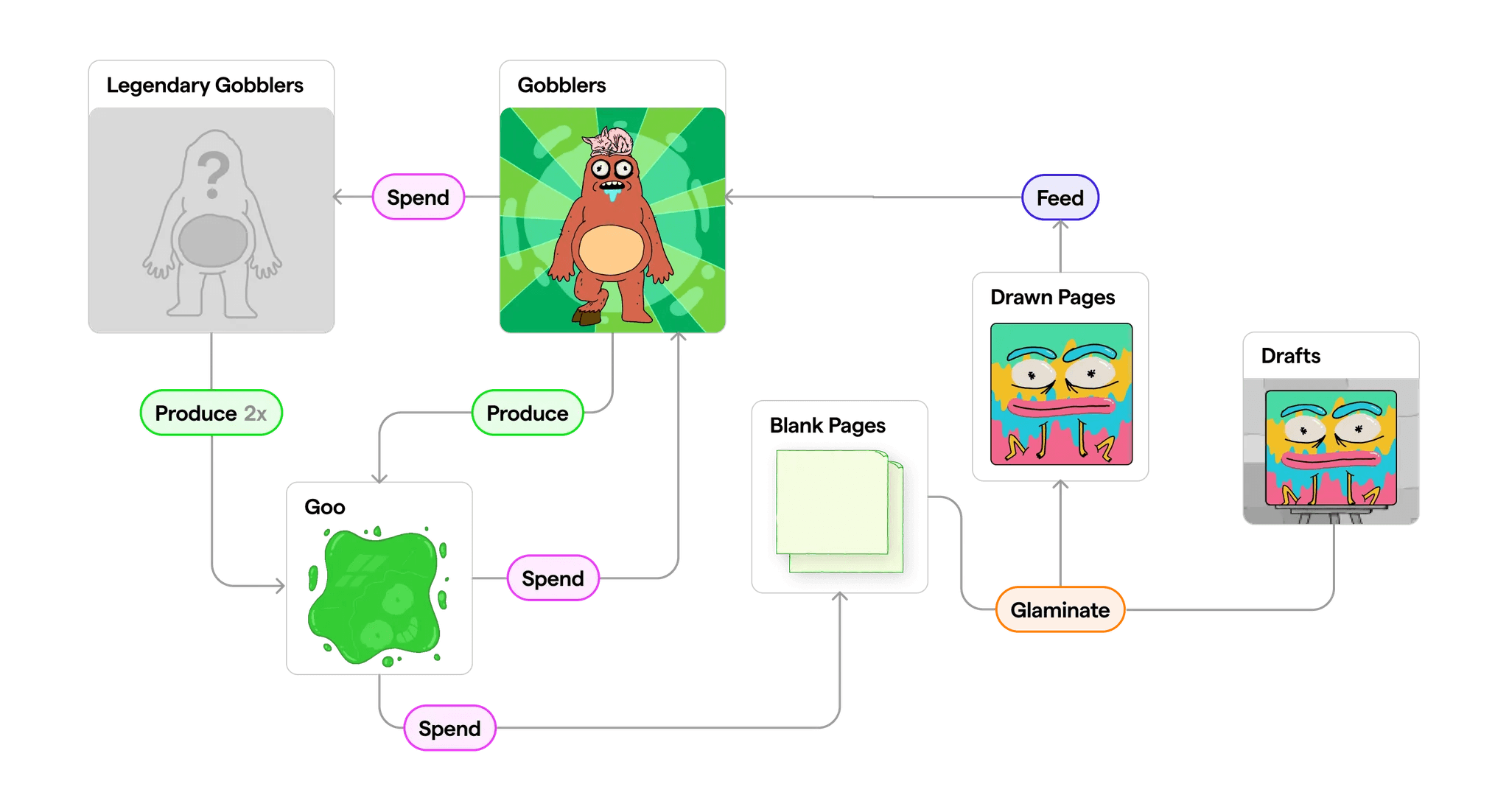
I love Art Gobblers's crowdsourced approach to art creation and their thoughtful virtual economy design.
Crypto's original sin is making speculative incentives too direct and accessible, crowding out genuine usage of any underlying products. The project failed because it focused on being "on-chain" and succumbed to all the nasty behavior that comes along with that. I really like the virtual economy design and I think it might have worked in a self-contained product experience.
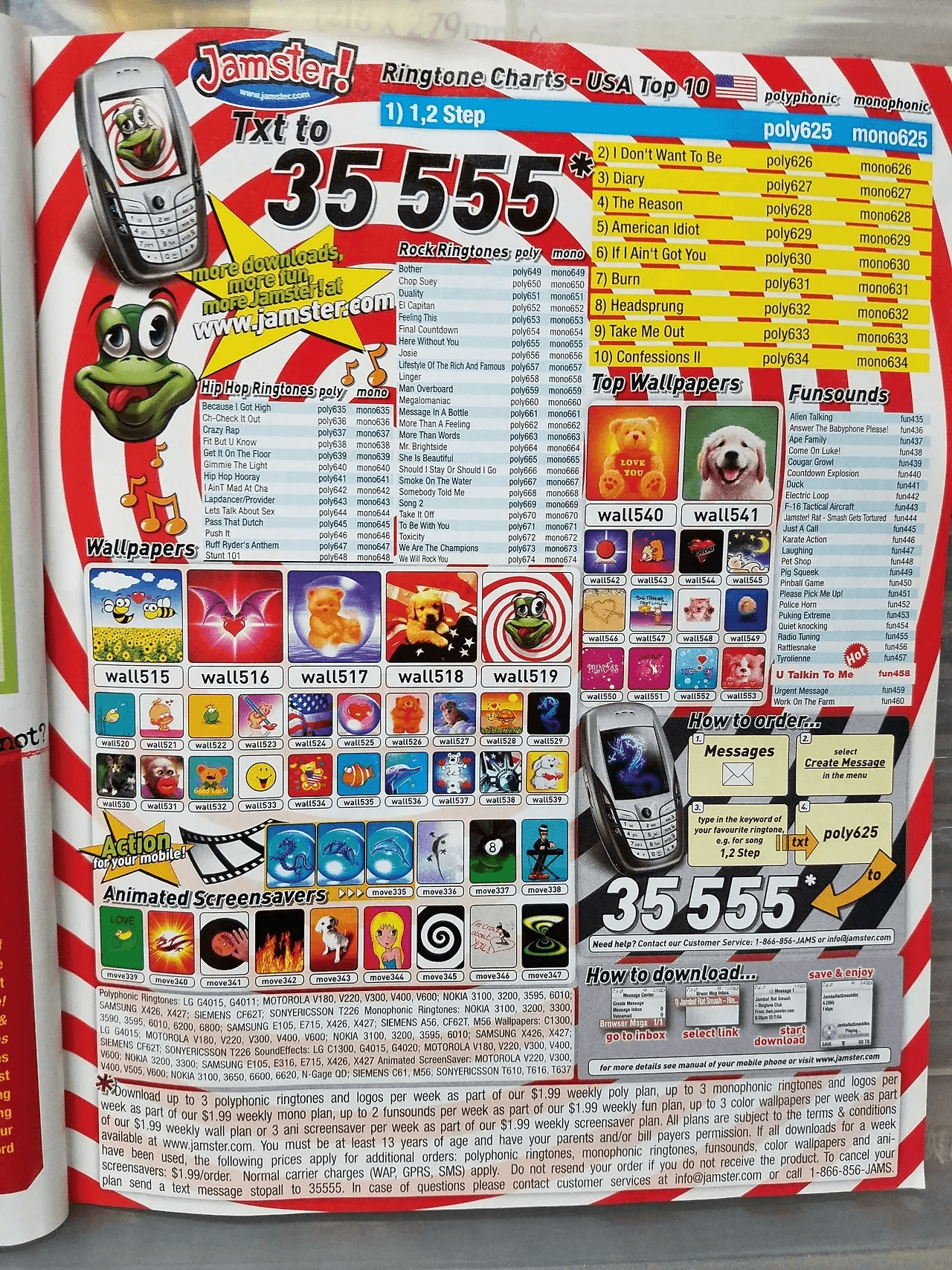
Cursor Packs, Ringtone Packs
Cursor packs and ringtone packs from the early 2000s filled a demand to ornament otherwise utilitarian tools.
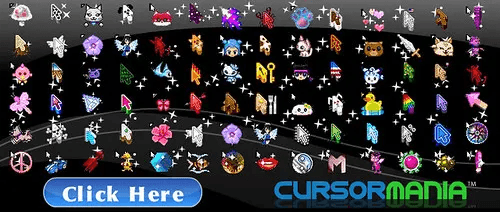
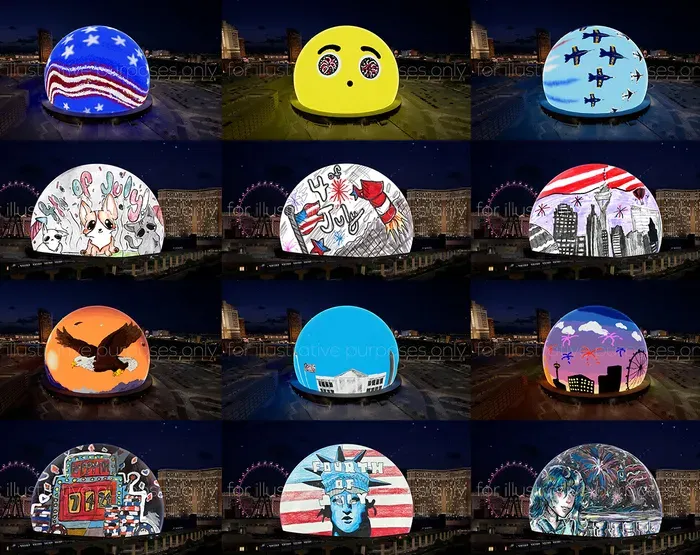
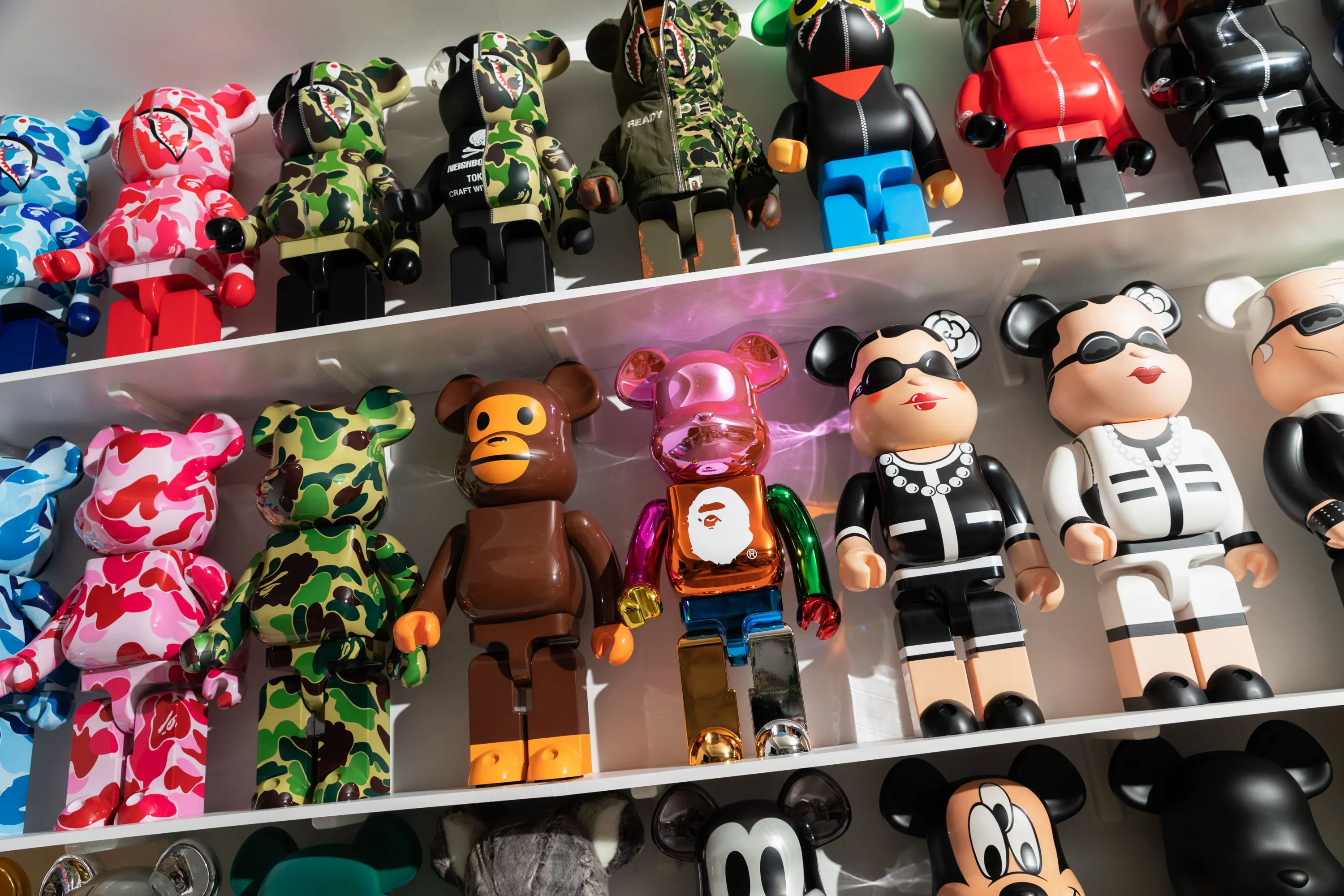
Various templated art installations
Art projects involving some standard format, and giving it to several artists to play within. Each format has its own unique constraints, artists take advantage of this to make new designs that would not be possible in other formats.
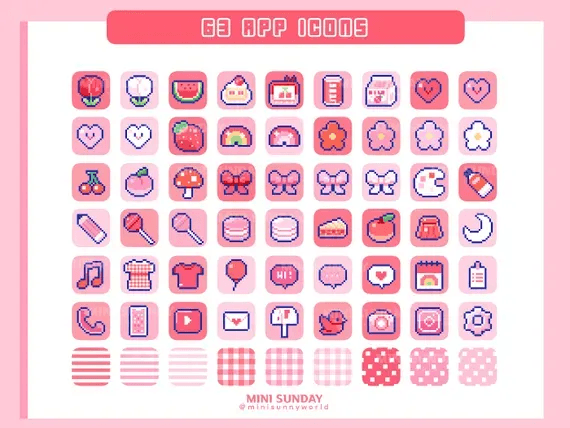
2020 Homescreen customization trend
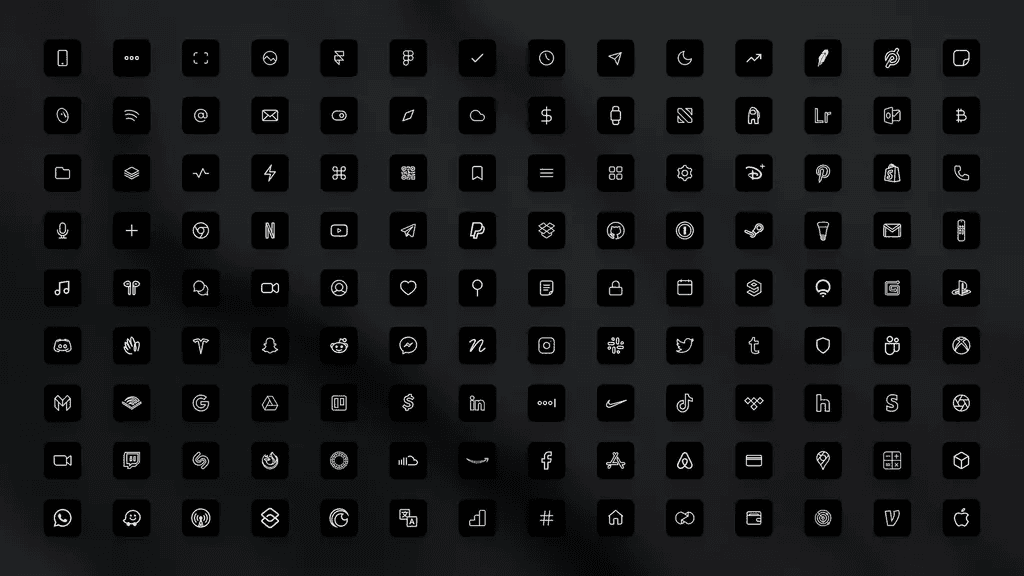
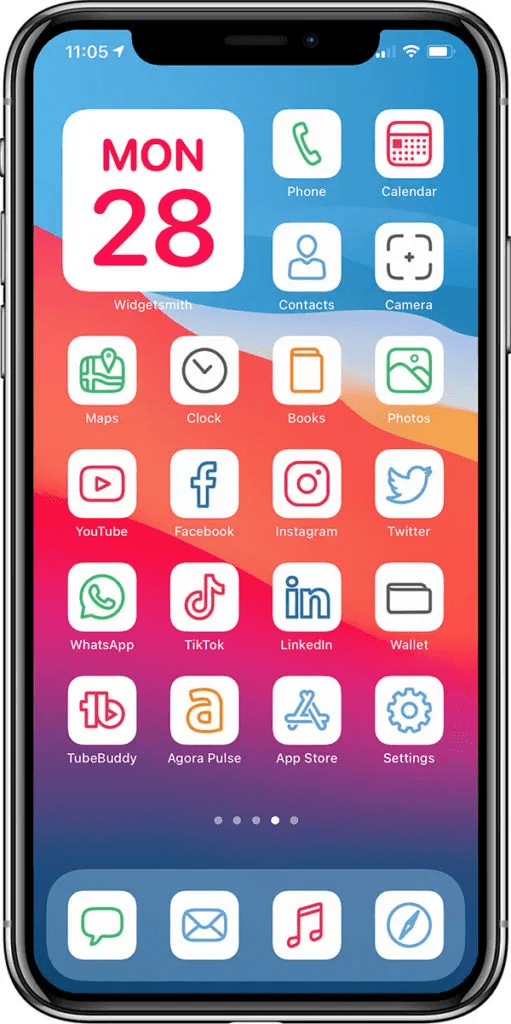
Shortly after the iOS 14 release, people realized you could "customize" your app icons by creating shortcuts. This was a tedious and brittle process, but people liked the result so much that they did it anyway.
This fad spread throughout Tiktok, where creators shared their elaborate aesthetic setups. Some designers even got rich selling icon packs.
This demonstrated a clear demand for users to customize their phones to their aesthetic taste. Apple subsequently added more home screen customization features in later releases (tinted icons), but refrains from allowing full customization due to a paternalistic philosophy that they can design better than their users. (Looking at the impracticality of some of these examples, I agree to an extent.)
Jack Butcher
Jack Butcher is a conceptual artist who plays with digital scarcity and economic incentives. Some works I like best:
-
Full Set — an NFT project in which artworks transformed into a "networked" state if enough copies were sold. Challenges the idea that more copies = lower value by incentivizing sufficient buyers to cross the transformation threshold.
-
Checks — an art collection with interesting "crafting" mechanic to produce rarer pieces.
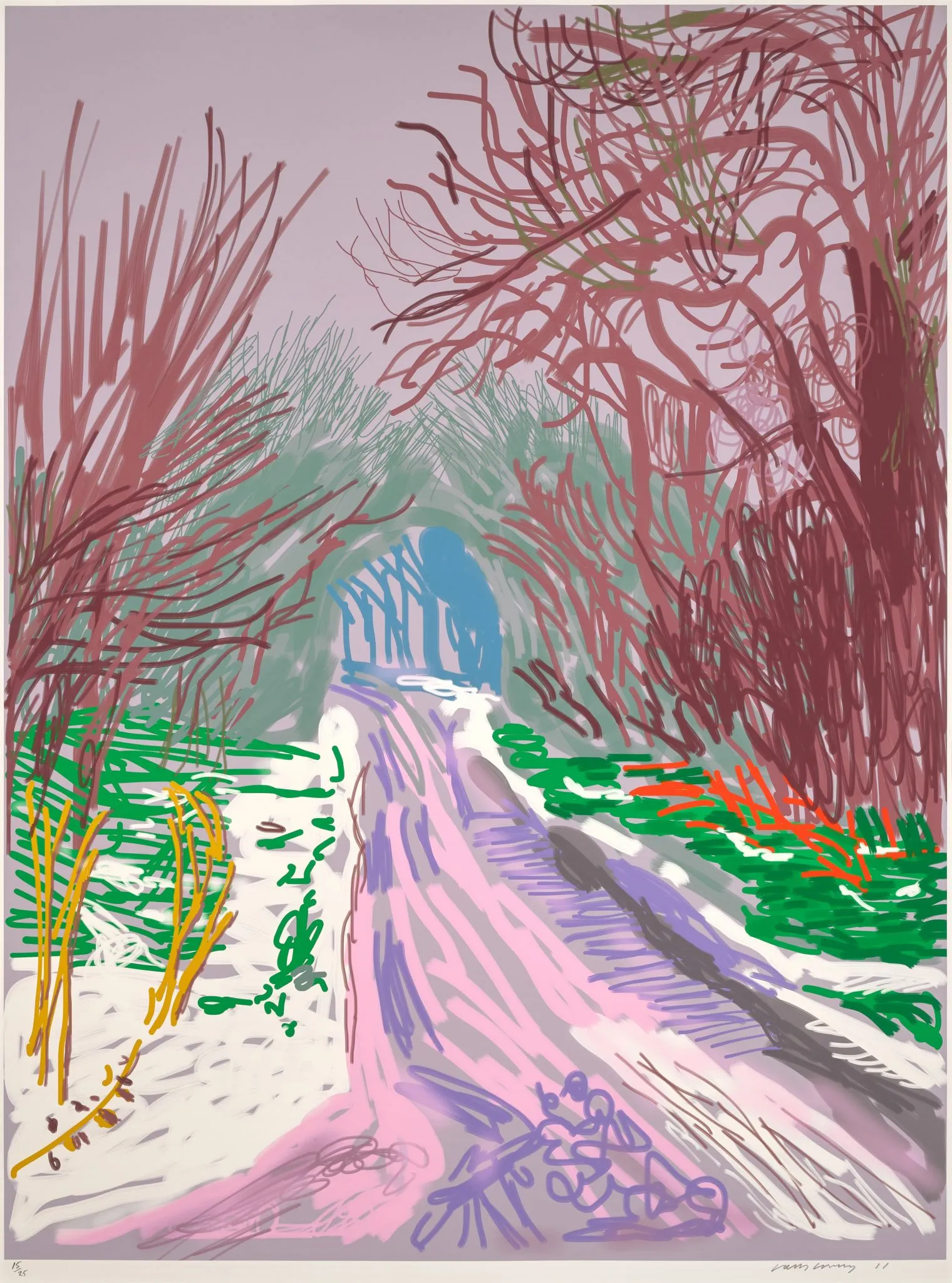
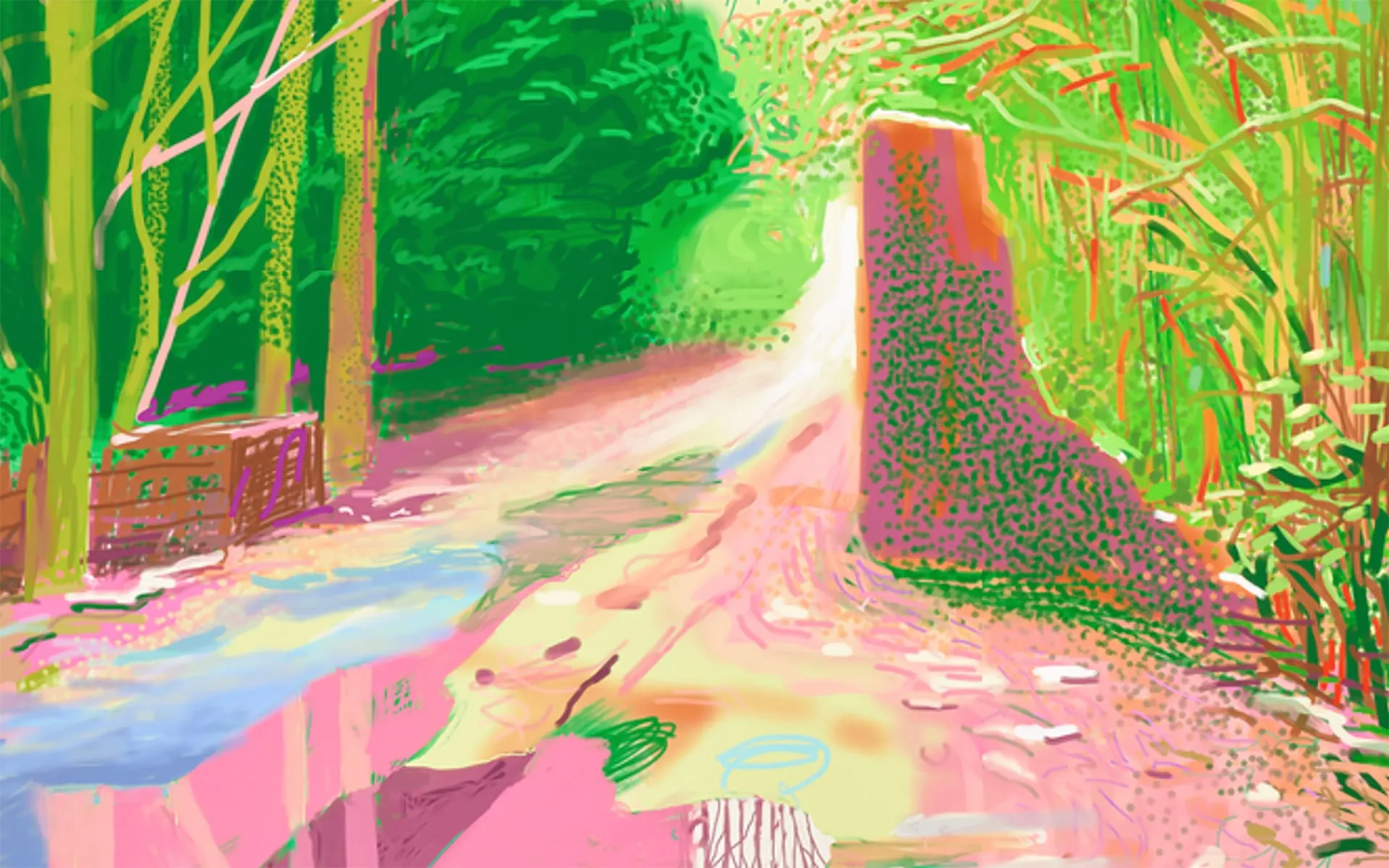
David Hockney's iPad Exhibit
David Hockney, one of the most famous painters of the 20th century, exhibited a series of works he drew on his iPad. I saw this exhibit in person, in 2022. It was striking to me that a serious painter would dabble in such an "unserious" medium. I'm not particularly impressed by the drawings, but I don't think his intention was to produce technically brilliant works here.